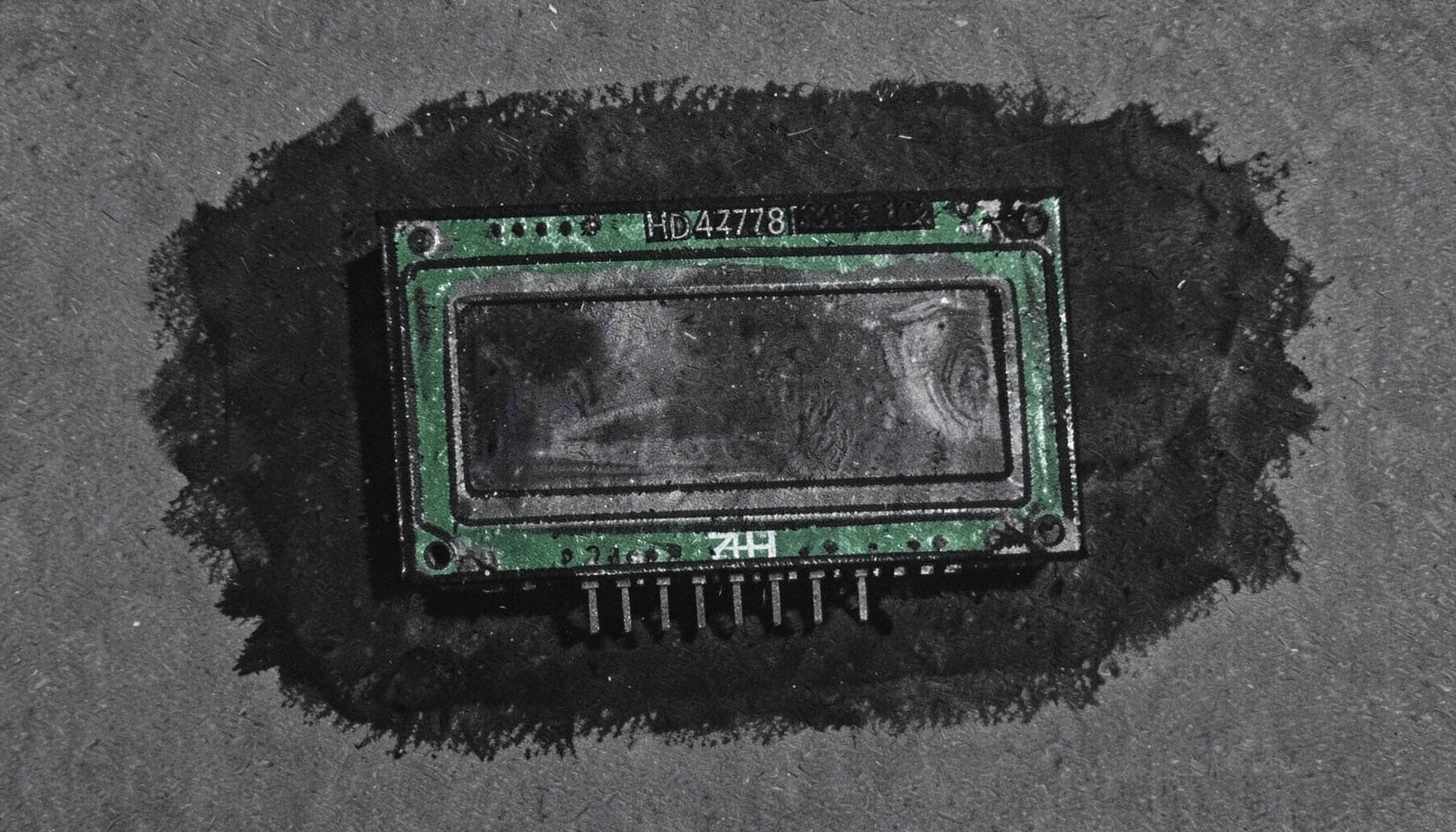
TimeWasters LCD Framework for HD44780
A lightweight Arduino library for driving HD44780-compatible character LCDs. Simplifies text output, cursor control, and custom character handling without the overhead of larger display libraries.
Projects involving Arduino, LCD displays, and custom electronics — from display frameworks to radiation measurement and micro-quadcopter builds.
Working with Arduino and microcontrollers opens up a world of hands-on experimentation that bridges software and physical hardware. Whether you are driving an LCD display to show sensor data, building a custom interface for a plotter, or designing a simple animation on a small LED matrix, the possibilities are vast. These projects often start with a sketch on a breadboard and evolve into something more permanent, soldered onto a custom PCB. The appeal lies in the tangible feedback: a screen lights up, a motor turns, or a measurement appears in real time. For anyone interested in programming, technology, and design, microcontrollers offer a satisfying way to bring code to life beyond the computer screen.
One of the more rewarding aspects of microcontroller work is creating your own display frameworks. Driving an LCD or OLED panel from scratch teaches you about timing, data sheets, and low-level communication protocols. You learn to manage refresh rates, character generation, and memory constraints, all while making the output readable and visually clear. These skills transfer directly to larger projects, whether you are building a weather station, a game console, or a data-logging tool. The process of designing a custom display interface is a blend of engineering and artistry, demanding both logical thinking and an eye for layout. It is a classic example of how simple components can yield surprisingly sophisticated results.
Radiation measurement and environmental sensing are practical applications that demonstrate the real-world value of microcontroller projects. By connecting a sensor to an Arduino board and writing code to interpret the readings, you can build a device that monitors air quality, radiation levels, or other environmental factors. These builds often involve careful calibration, data logging, and sometimes wireless transmission to a central server. The combination of hardware assembly, software development, and data visualization makes for a deeply educational experience. It is a reminder that microcontrollers are not just for blinking LEDs or hobbyist gadgets; they can serve as the core of functional scientific instruments.
For those who enjoy a challenge, building a micro-quadcopter or similar flying machine pushes microcontroller skills to their limits. You must manage multiple motors, balance power consumption, handle real-time control loops, and integrate sensors like accelerometers and gyroscopes. The programming involves PID tuning, pulse-width modulation, and often wireless communication with a remote controller. It is a demanding project that teaches resilience, debugging under pressure, and system-level thinking. When the quadcopter finally lifts off and hovers steadily, the sense of accomplishment is immense. These builds are a perfect intersection of programming, electronics, and mechanical design, capturing the spirit of invention that drives the maker community.
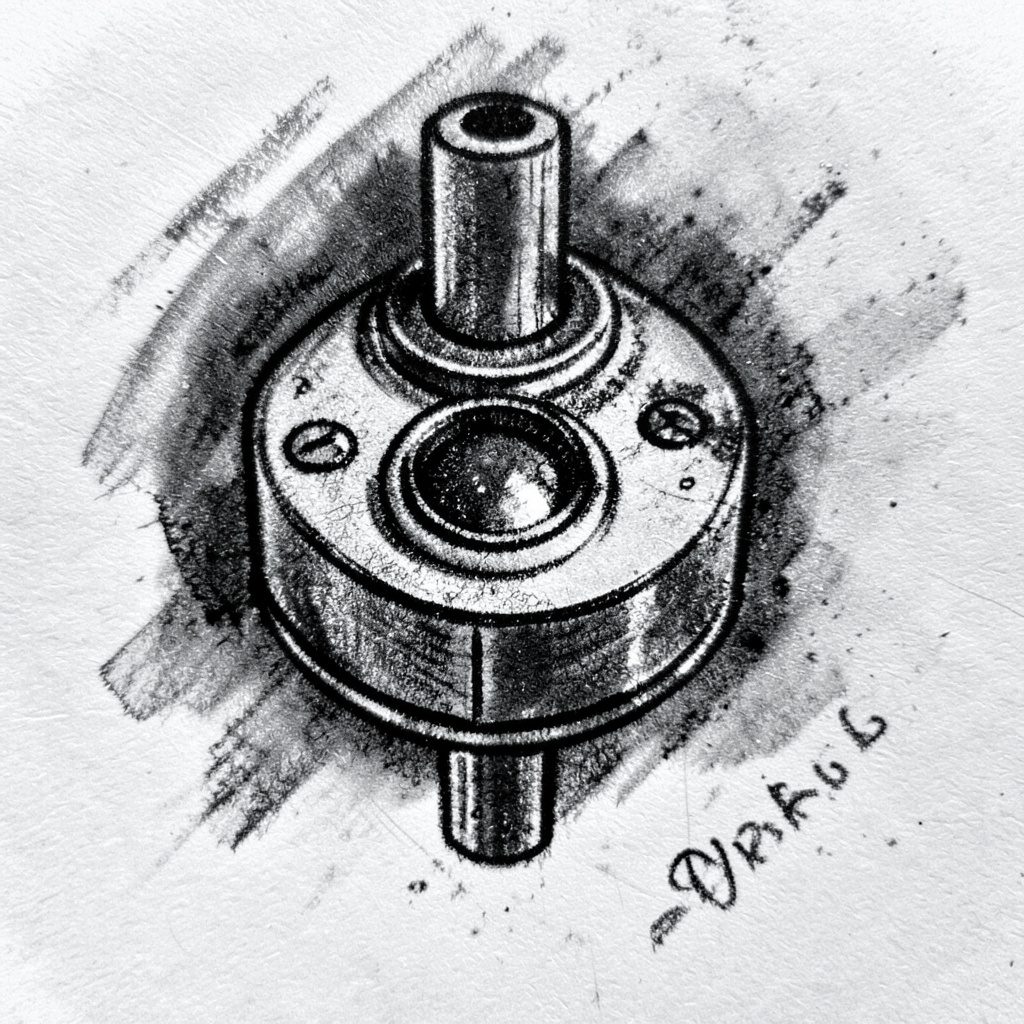
A lightweight Arduino library for driving HD44780-compatible character LCDs. Simplifies text output, cursor control, and custom character handling without the overhead of larger display libraries.
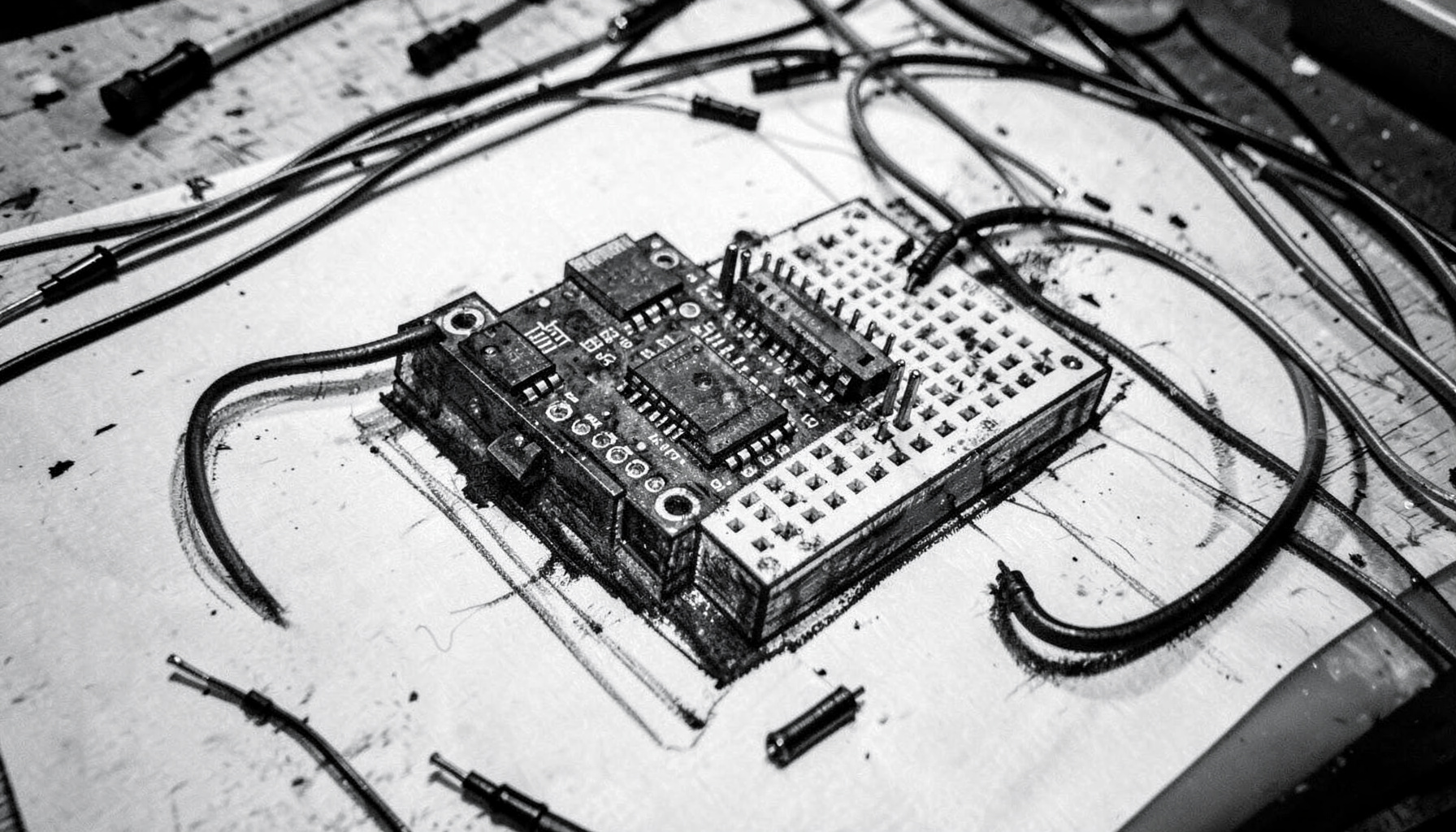
A patch that improved string-to-float and float-to-string conversion in the Arduino environment. This work was merged into the mainline codebase — users of Arduino 1.0.6 or 1.5.8 and later already have these fixes built in.
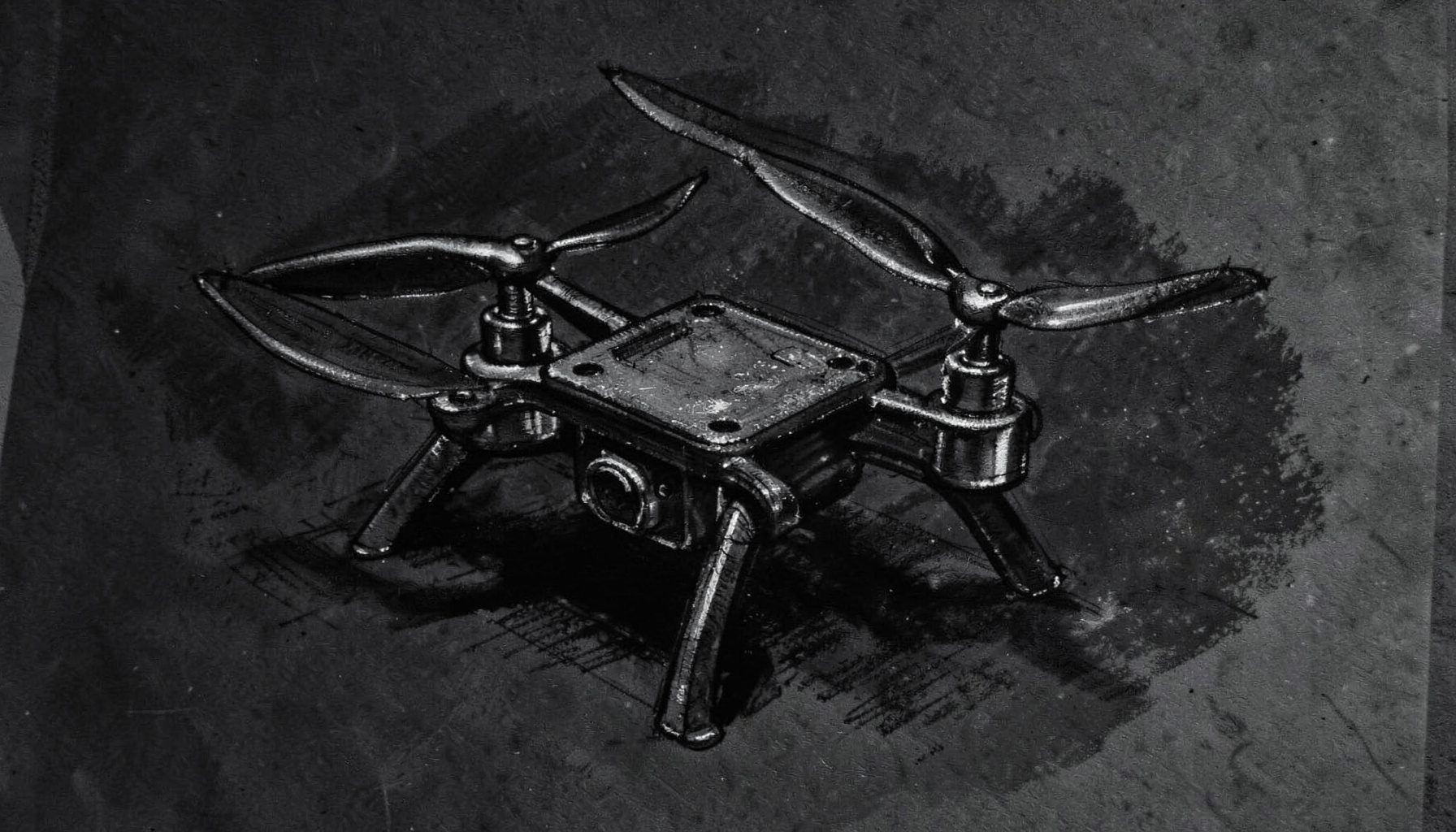
A self-built micro-quadcopter project documented with build logs. Covers frame construction, motor selection, flight controller setup, and the challenges of working at such a small scale.

Custom software for a microcontroller-based radiation measurement system. Interfaces with a Geiger-Müller tube to count events, calculate dose rates, and display readings — bridging hardware and software for practical radiation monitoring.
These Arduino and microcontroller projects are part of a broader interest in embedded systems and hardware hacking. The Programming section covers related software work, while Tools includes hardware reviews and guides that complement these builds.