HTML5 Visual Effects
A collection of browser-based animations built with the HTML5 Canvas API — useless but cool experiments in real-time graphics.
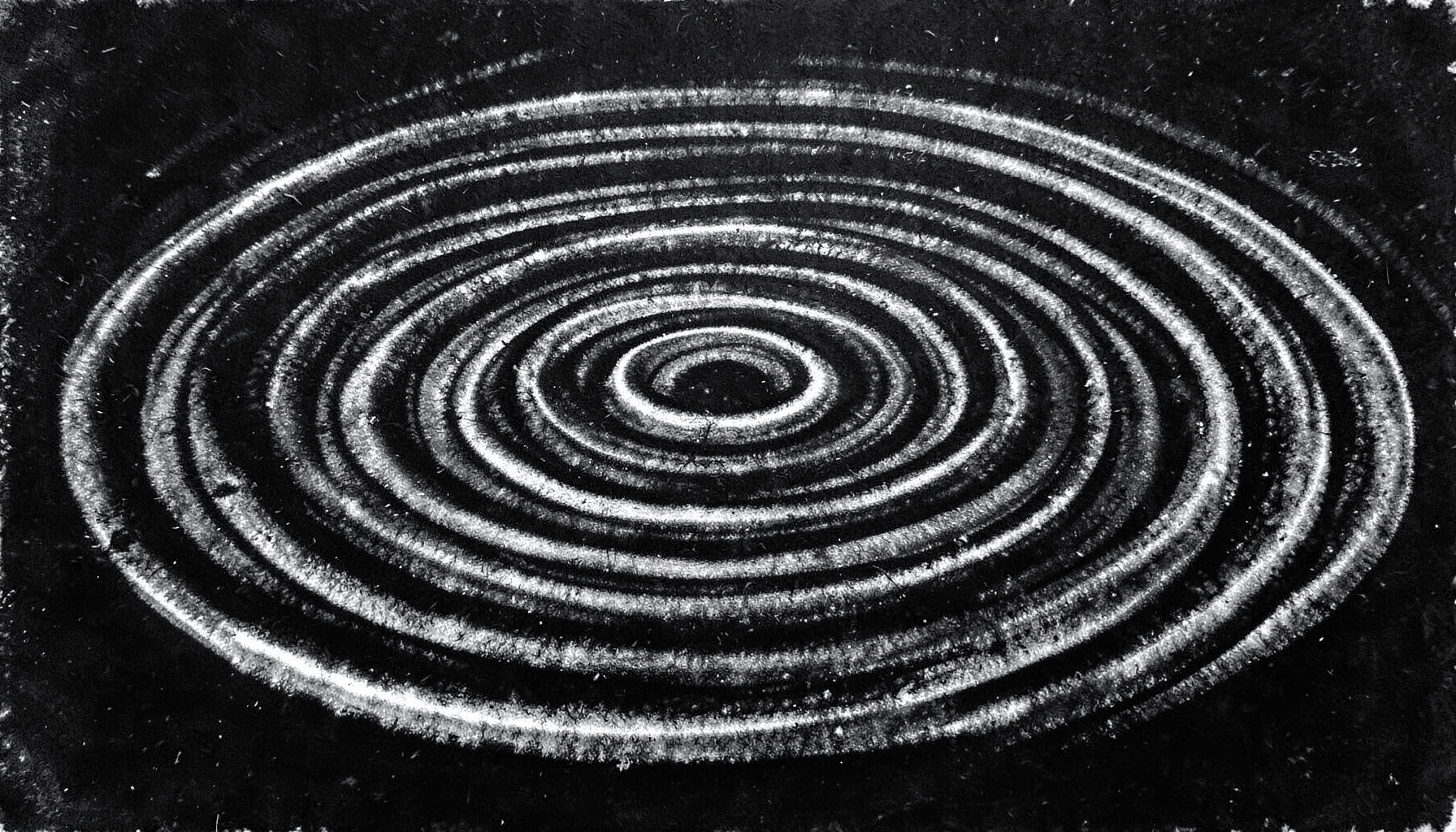
The HTML5 Canvas API opens up a surprising world of visual experimentation right inside the browser. Without any plugins or external tools, simple lines of code can generate rippling water effects, animated particle systems, or interactive geometric patterns that respond to mouse movement. These experiments are often dismissed as useless by practical standards, but they serve as excellent playgrounds for understanding rendering pipelines, frame rates, and the mathematics behind real-time graphics. For anyone interested in programming, technology, or design, tinkering with canvas-based animations provides immediate visual feedback and a satisfying sense of discovery. The beauty lies in how a few coordinates and color values can transform a blank page into something alive and moving.
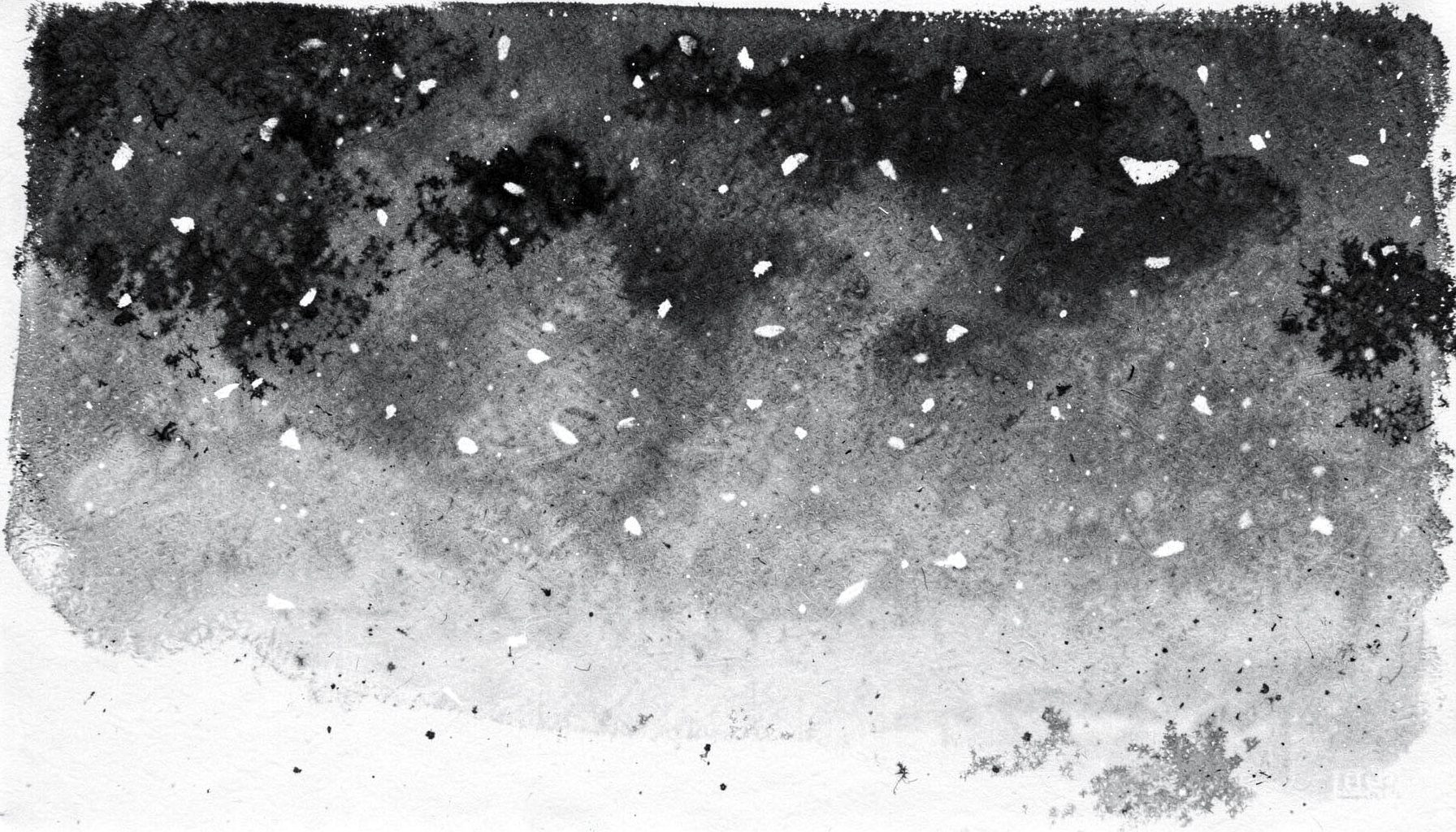
Many of the visual effects featured here draw inspiration from classic gaming and demo scene culture. The pixel-pushing techniques that powered early titles like Wolfenstein and Doom find new life in modern browser environments, reimagined with smooth gradients and fluid motion. Simple concepts such as rippling water surfaces, falling snow, or starfield simulations demonstrate how fundamental algorithms can produce compelling visuals. These recreations are not meant to compete with commercial game engines but rather to celebrate the craft of graphics programming in its purest form. There is a meditative quality to watching procedural animations unfold, and building them yourself deepens your appreciation for the rendering techniques that underlie modern interactive media.
Beyond mere entertainment, these canvas experiments serve as practical learning tools for developers exploring creative coding. Implementing a basic particle system teaches you about object pooling and performance optimization. Building a ripple effect introduces concepts like pixel manipulation and image data. Even simple animations require understanding of requestAnimationFrame, delta time calculations, and coordinate transformations. The open-ended nature of visual programming encourages iteration and improvisation, where each small modification can lead to unexpected and beautiful results. This hands-on approach demystifies graphics programming and makes abstract mathematical concepts tangible and accessible. The skills gained transfer directly to more serious applications in data visualization, user interface design, and interactive installations.
The collection also reflects a broader philosophy about the value of playful experimentation in technology. Not every project needs to solve a practical problem or serve a commercial purpose. Sometimes the most rewarding creations emerge from pure curiosity and the desire to see what happens when you push pixels around a screen. These canvas effects embody that spirit of exploration, inviting viewers to interact, modify, and build upon them. They demonstrate that programming can be a form of artistic expression, where code becomes the medium and the browser becomes the gallery. Whether you are a seasoned developer or a curious beginner, there is something liberating about making something beautiful simply because you can.